A new garage door can take up a big part of your home's street front, so it's worth choosing carefully. This guide covers the main decisions, from door type to materials, insulation and motors, based on more than 50 years of helping Melbourne homeowners.
Step 1: Choose the door type
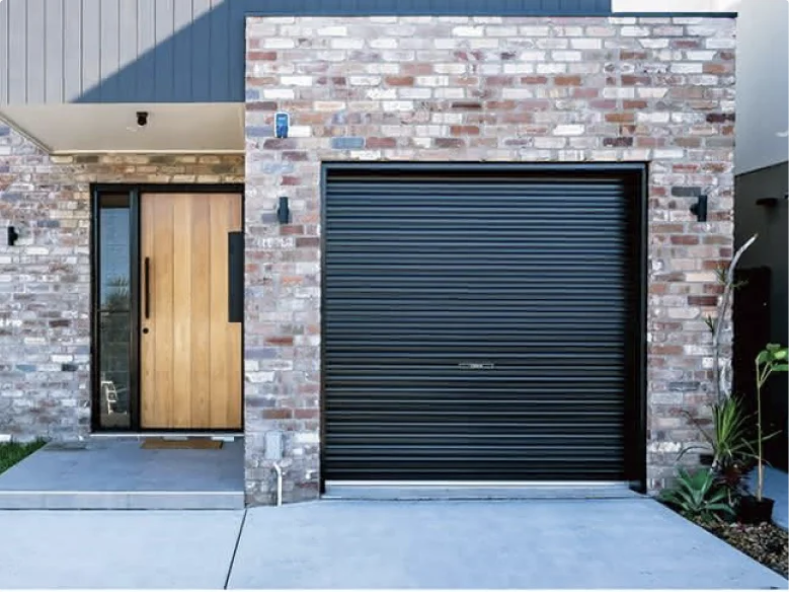
- Roller doors roll up into a compact coil above the opening. They're practical, durable and usually the most affordable option. Best for standard garages, sheds and simple facades.
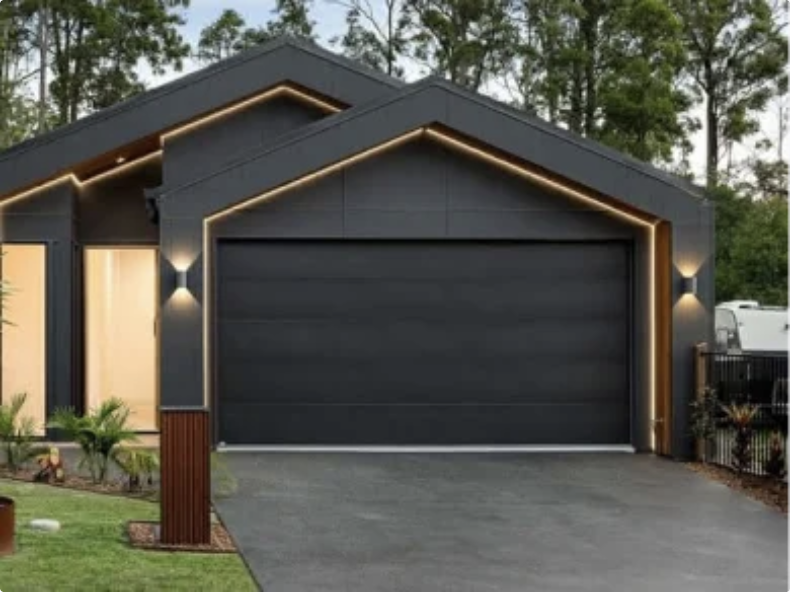
- Sectional (panel lift) doors are made of horizontal panels that lift vertically and run back along the ceiling. They seal well, suit insulation, and come in a wide range of designs. They're great for modern homes and for garages with limited headroom.
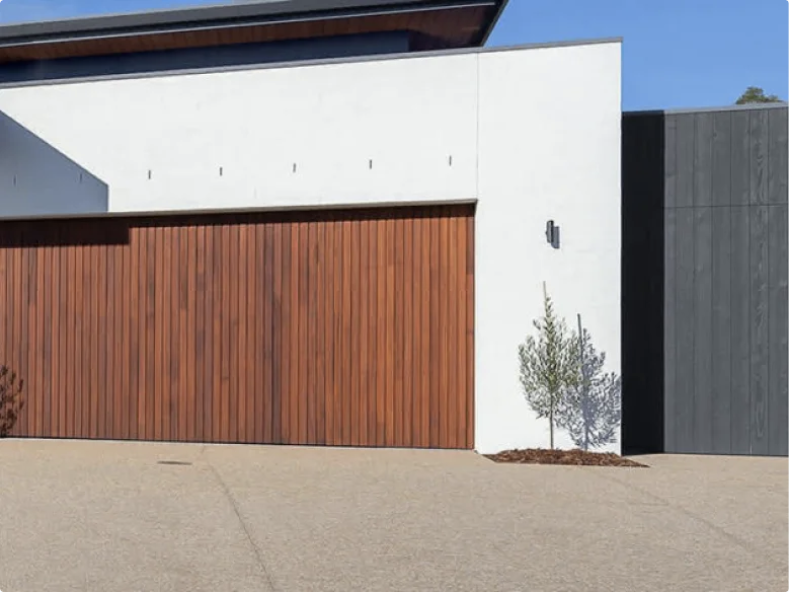
- Tilt doors are a single panel that tilts up and out. They suit custom designs and can be clad to match the house.
- Custom and counterweight doors suit architectural homes, unusual openings, very large doors and cladding to match the facade.
Step 2: Check your garage
Before you fall in love with a design, check:
- the headroom (space between the top of the opening and the ceiling)
- the side room either side of the opening
- the depth of the garage, for doors that run back along the ceiling
- whether the floor is level.
Low headroom doesn't rule anything out, but it narrows the options. See our guide to low-clearance garage doors.
Step 3: Choose the material and finish
- Colorbond steel: strong, low maintenance and available in a wide range of colours to match your roof and trims.
- Timber look: steel or aluminium with a realistic timber-grain finish. You get the warmth of timber without the oiling and sealing.
- Real timber and cladding: for a truly custom look, usually on tilt, counterweight or custom doors.
- Glass and aluminium: a modern, light-filled look on sectional doors.
Step 4: Think about insulation
If your garage is used as a workshop, gym or living space, or it's attached to the house, an insulated sectional door helps keep heat out in summer and in during Melbourne's winters. It also reduces noise.
Step 5: Choose a motor
A good automatic opener makes the door safer and easier to use every day. Look for safety beams, auto-reverse, a battery backup for blackouts, and smartphone control if you want to open the door remotely.
Step 6: Set your budget
Price depends on the door's size, type, material, insulation and motor. A single standard roller door is at the budget end. Large custom, insulated or architectural doors cost more. The most accurate way to price your door is a free measure and quote.
See the range in person
Visit our showroom at 48 Claredale Road, Dandenong (Monday to Friday, 9am to 3pm, no appointment needed) to see and operate doors from leading brands, or book a free measure and quote.